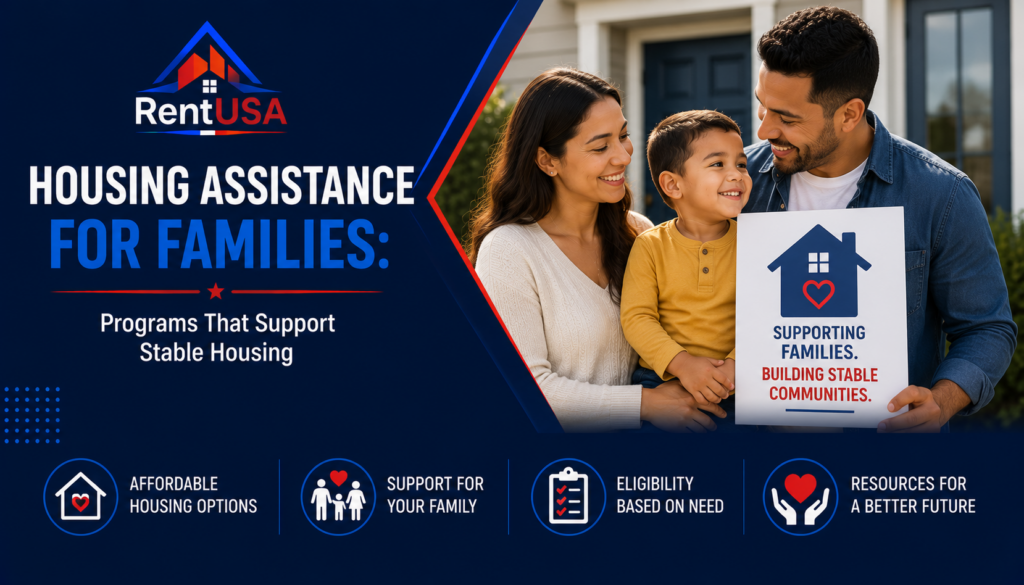
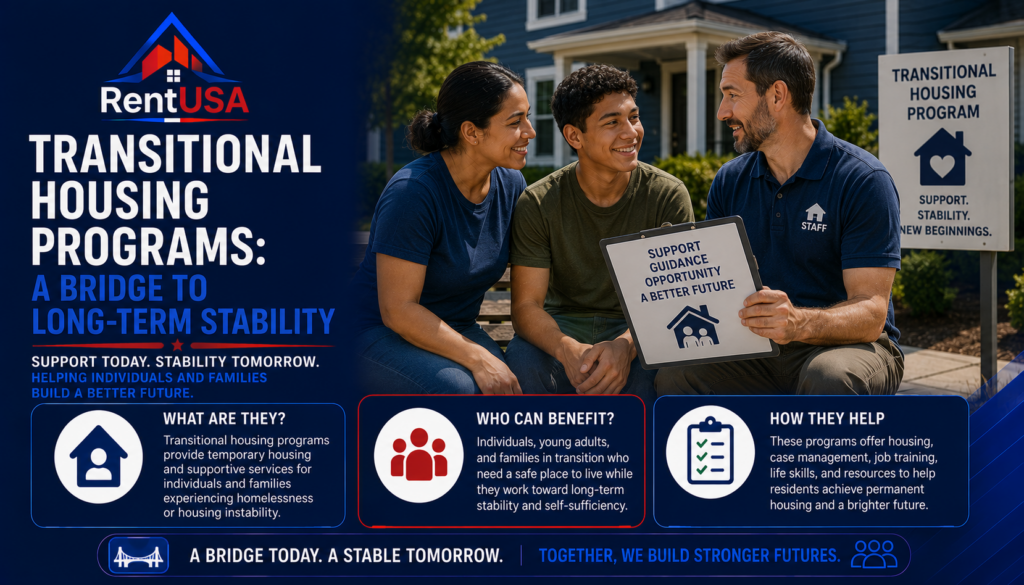
Affordable Housing Programs help make quality housing accessible to low income individuals and families across the United States. Backed by Government Assistance at the federal, state, and local level, these programs aim to reduce the share of income households spend on rent or mortgage payments. This article explains the main types of affordable housing support available.
🏢 What Are Affordable Housing Programs?
Affordable housing programs generally refer to housing developments and subsidies designed so that eligible households pay no more than a set percentage of their income, often around 30 percent, toward rent or mortgage costs. These programs are frequently developed through partnerships between HUD, state housing finance agencies, and private or nonprofit developers.
🎯 Purpose of the Program
The goal of affordable housing initiatives is to expand the supply of housing that low and moderate-income households can afford, reduce housing cost burden, and support overall community stability by preventing displacement due to rising housing costs.
📋 Who May Qualify?
Income Requirements
Eligibility is typically based on a percentage of the Area Median Income, with different developments or units set aside for varying income tiers.
Household Size
Income limits and unit sizes are generally adjusted based on the number of people in the household.
Residency and Application Requirements
Some affordable housing developments prioritize local residents or specific populations, such as seniors or people with disabilities, depending on the property.
🏘️ Types of Affordable Housing Programs
Common options include Low-Income Housing Tax Credit (LIHTC) properties developed with the help of federal tax incentives, income-restricted units required as part of local zoning or development agreements, Housing Choice Vouchers that can be used in the private rental market, and affordable homeownership programs offering down payment assistance or reduced-cost homes.
📝 How the Application Process Generally Works
1. Search for Available Units or Programs
Affordable housing listings are often maintained by state housing finance agencies, local housing authorities, or property management companies.
2. Confirm Income Eligibility
Applicants typically need to verify that their household income falls within the required range for a specific unit or program.
3. Submit an Application
Applications may involve submitting income documentation directly to a property or applying through a centralized waiting list system.
4. Waiting List or Lottery
Due to high demand, many affordable housing programs use waiting lists or lottery systems to allocate available units.
📑 Documents Commonly Requested
Applicants are generally asked for proof of income, identification, and household composition information, and sometimes references from previous landlords.
⚠️ Common Reasons for Denial
Applications may be denied due to income falling outside the required range for a specific unit, incomplete documentation, or an unfavorable rental history in certain cases.
💡 Tips Before Applying
Applicants may benefit from applying to multiple affordable housing developments or lotteries at once, keeping income documentation updated and organized, and checking state housing finance agency websites regularly for new listings.
❓ Frequently Asked Questions
Is affordable housing the same as public housing?
No. Public housing is government-owned and managed, while many affordable housing programs involve privately owned properties with income-restricted units.
Can moderate-income households qualify for affordable housing?
Yes, some programs set aside units for moderate-income households, not only those with extremely low income, depending on the specific development.
Does applying to an affordable housing lottery guarantee a unit?
No. Lotteries and waiting lists do not guarantee placement, since availability depends on unit turnover and total demand.
Where Can You Learn More About This Program? 📌
If you would like additional information about this assistance program, eligibility requirements, application procedures, or current updates, you should consult the official source.
Learn more by visiting the official website: